Start with the age of what is underneath
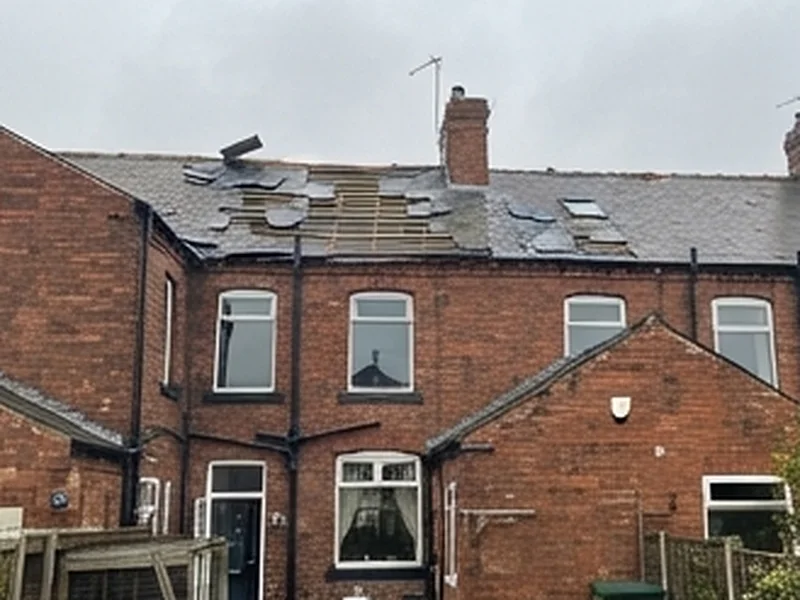
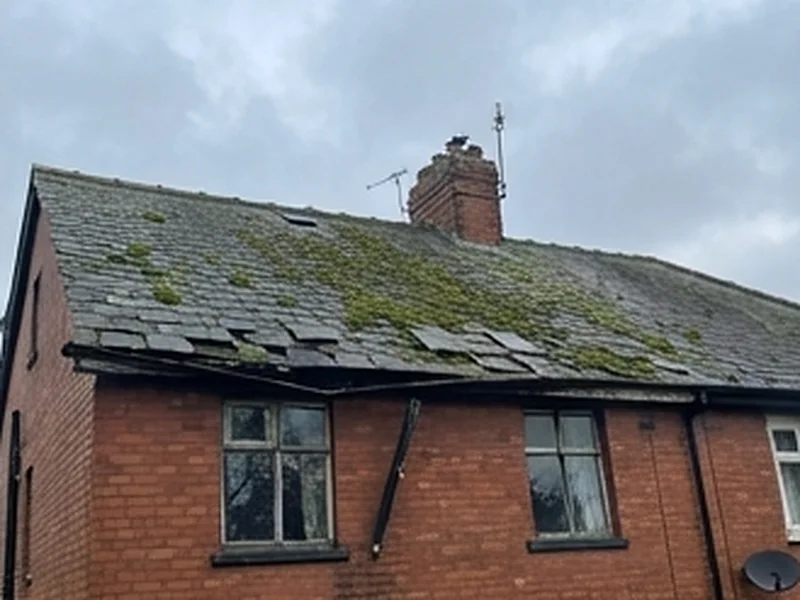
Natural slate can outlast the house. What usually wears out first is everything beneath it: the nails, the timber battens and the felt. On many 1900s to 1930s homes those are original, and once the nails rust through, slates start slipping faster than they can be fixed.
When a repair makes sense
If the roof is broadly sound and the problem is local (a few slipped slates, a tired ridge, worn flashing around the chimney) a repair is the right call. It is quicker, far cheaper, and a good repair can buy many years.
When replacement is the better value
If slates are slipping all over the roof, the felt has perished, or you are paying for repairs every winter, the numbers change. At that point a re-roof stops the cycle, lets us add insulation while the roof is open, and comes with a long guarantee. Often we can reuse the sound slates to keep the character and the cost down.
Questions to ask any roofer
Can you show me photos of what you found? Which parts need doing and which can wait? Is the price fixed and itemised? Is the guarantee written, and insurance-backed? A good roofer will happily answer all four.
Our approach
We photograph every layer we can see, explain it in plain English, and give you one written price. If a repair will do the job, we will tell you, even if it means a smaller invoice.